Excess Skin Vs Persistent Fat: Whats The Distinction?
What Is Subcutaneous Fat And How https://ameblo.jp/gunnerswmw382/entry-12977061098.html To Do Away With It?
The Result Of Exercise On Abdominal Fat
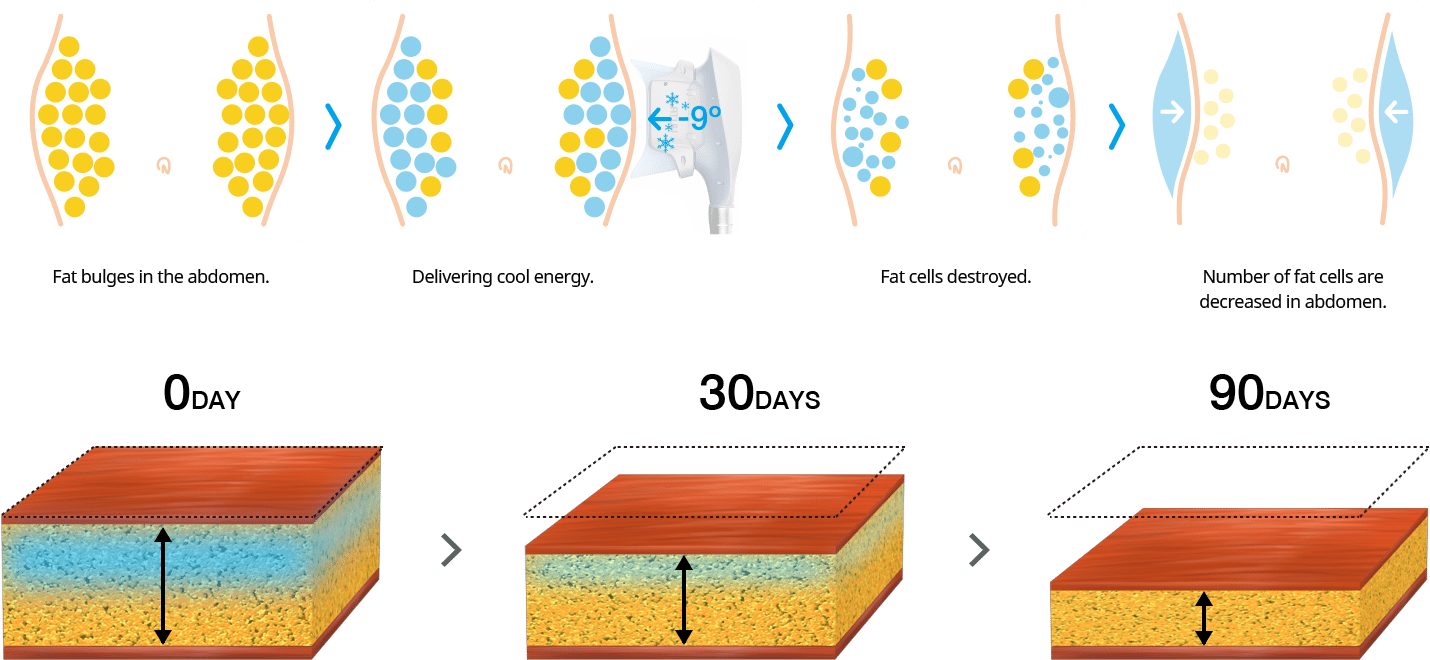
At Squlpt, we provide a range of treatments to target stubborn fat in various areas, including the belly, upper legs, arms and chin & neck. The legislations of physics state that our body weight is the effect of the world's gravitational acceleration (g) on our body mass. For decades, is afraid concerning the prospective health and wellness risks of HRT have actually left menopausal females with restricted sign relief. Lowering salt and carbohydrate intake, keeping moisturized, and often working out are all good ways to shed water weight and avoid it from returning. Strategies such as minimizing salt and carb consumption, consuming more water, and exercising might help an individual to lose water weight. According to the United States Geological Study (USGS), on average, water makes up 60% of an adult's body weight.
Boost Your Sleep Time
- Thus, more research study is required to assess the relationship between stubborn belly fat and digestive tract wellness.
- The specific sequence of occasions and paths entailed are still under dispute.
- A thorough strategy decreases subcutaneous fat throughout your entire body progressively.
- Also if you consume well and exercise a number of times weekly, hormone-related problems, especially thyroid problems, can trigger undesirable weight gain.
- When you stop, you might obtain some weight, yet maybe much less than you assume.
Research recommends that menopause might trigger increases in natural fat and fat to be stored in the abdominal area rather than on the hips and upper legs. A few of the carbon dioxide that you breathe out is from the process of converting the triglycerides in your fat cells into energy for your muscles. That belongs to the factor your breathing price boosts when you exercise, too.
Nevertheless, the most significant factor of how much fat your body is storing deep in your abdomen is your overall body weight. Contrasted to natural fat, subcutaneous fat is more metabolically passive, suggesting it doesn't respond as swiftly to diet plan and exercise. This makes it more difficult to lose, particularly in locations like the lower abdominal area, hips, and upper legs. It's not that individuals are gaining weight by consuming way too much and not exercising enough, they claim. Instead, something about the food-- all those high-glycemic treats and deals with in the Western diet plan-- is taxing the body hormonally, inclining it to store fat and (in some way) stimulating extra usage of those foods.