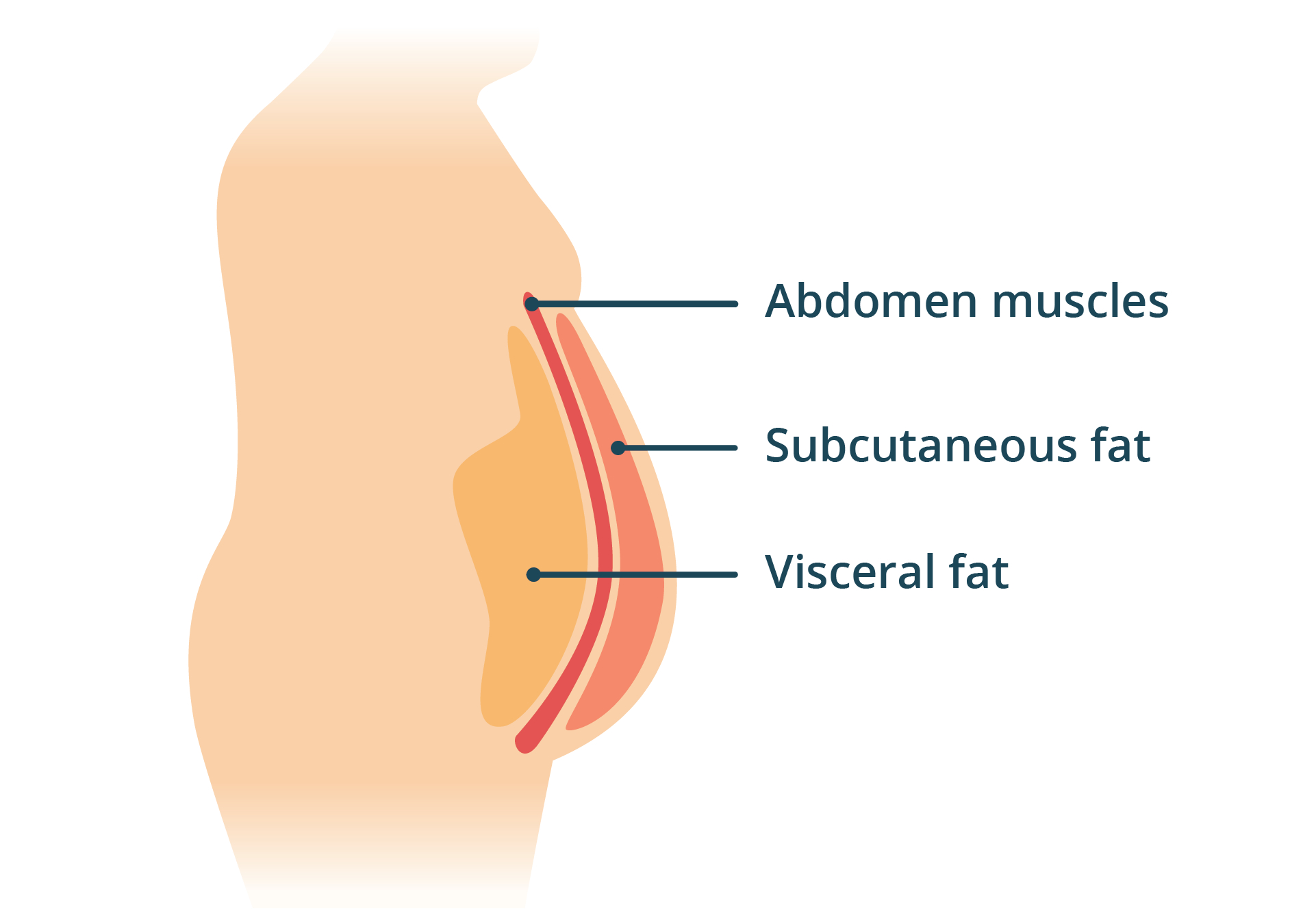
Fat Body Fat: Composition & Feature
Fat Body Fat: Anatomy & Feature However, scientists now acknowledge that it's additionally an energetic organ in your endocrine system. Adipose tissue contains afferent neuron and capillary and connects through hormonal agent signals with various other body organs throughout your body. In recap, fat is an important macronutrient that must be crucial in every endurance professional athlete's diet. Fat is useful for lower-intensity training, and guaranteeing total calorie consumption remains in line with the needs of the training program. Above all, your training timetable and racing objectives should drive your nutrition, not vice versa. One class of enzyme in charge of this reaction is called ACSL (lengthy chain fatty acyl-CoA ligase/ synthetase). On top of that, both plant and pet cells save power by shunting sugar into fat synthesis paths. One gram of fat has virtually six times the energy of the same quantity of glycogen, yet the power from fat is less conveniently available than that from glycogen. Still, each storage device is essential due to the fact that cells require both fast and long-term power depots. Fats are saved in beads in the cytoplasm; adipose cells are specialized for this type of storage space due to the fact that they include abnormally big fat beads. People typically store sufficient fat to supply their cells with several weeks' worth of energy (Number 7). TAGs, which offer the body with a considerable resource of power, are acquired from the diet plan or are manufactured endogenously, generally in the liver. They are delivered in the blood as lipoproteins and are kept in fat. The significant courses of blood lipoproteins entailed consist of high-density lipoprotein (HDL), intermediate-density lipoprotein (IDL), low-density lipoprotein (LDL), very-low-density lipoprotein (VLDL), and chylomicrons. Chylomicrons undergo synthesis in the small intestine and transportation nutritional LA Lipo Chin and Face enhancements TAGs from the small intestine to cells such as muscular tissue and adipose. Through a process called lipolysis, fat cells (adipocytes) can damage down stored triglycerides, launching fatty acids right into the bloodstream. These fatty acids, described "totally free fats", can then be taken up by muscle mass and made use of to fuel muscle contraction. Brown fat in humans is mostly existing in infancy and lessens with age. Brownish adipocytes (fat cells) are much more complicated than white adipocytes, including several lipid beads and many cellular organelles. Instead, it begins collecting in body organs that are designed to keep fat, a procedure called ectopic fat deposition. If the same mechanism is true in humans, it could be crucial to developing means to aid people get or reduce weight as required. Drugs that target PDGF-CC-- or its human equivalent-- could impact just how much fat is saved or melted. When we talk about fat in regards to energy, we are usually discussing a specific kind of fat molecule called triglycerides.
Which Workouts Not To Sustain With Fat
- ATGL carries out the very first step of TAG hydrolysis (therefore, it is rate-limiting), creating diacylglycerols and FFAs.
- Dr Rajeswaran is a Specialist Physician, Professional in Endocrinology, Diabetic Issues and Weight problems.
- Through a process called "beta-oxidation," our cells can generate energy by metabolizing among the building blocks of fats-- fatty acids.
What Are The Typical Conditions And Disorders That Impact This Body System?
We likewise give Weight Loss medicines like Wegovy, Mounjaro and Ozempic to people who fit the standards. We also supply face 2 face and online consultations to individuals from Barnsley, Rotherham, Chesterfield, Doncaster, Wakefield, Derby, Huddersfield, Bradford, Harrogate, Leeds, Sheffield and London. Fat around the kidneys can harm kidney feature, adding to high blood pressure and persistent kidney illness. Fat seepage in the pancreatic disrupts insulin manufacturing, increasing the danger of type 2 diabetes. Study suggests that versions of your ACSL5 genetics affect the degrees and task of your ACSL5 enzyme. This, subsequently, influences just how effectively your cells can utilize fats for power. As soon as fats have actually been exchanged fatty acyl-CoA and delivered right into mitochondria, they can then be made use of to generate ATP-- our cells' power currency. The process of carrying fatty acyl-CoA across the mitochondrial membrane layers is facilitated by numerous transport healthy proteins. Several of these carrier proteins (e.g. CPT1 and CTPII) use an amino acid called carnitine.Exactly how to trick your body into melting stored fat?